Sunday, June 11, 2006

The Floating Palace


Homenaje a Chopin


Gdzie skarb twój, tam serce twoje... Mateusz VI-21

For where your treasure is there will be your heart also. Matthew 6:21

Chopin leaves for Paris in 1830. After hearing of the failure of the November Rising, he decides not to return to Poland. He is buried in Paris, but his dying wish was for his heart to be returned to Poland. It is here.


Ja go uwielbiam (I adore him). Madame George Sand, Chopin’s lover, in a letter to Franz Liszt


Krakow is krackin'

A synagogue in the Kazimierz district

The Main Square (Rynek Główny).


The hejnał - a tribute to Polska’s fatal nature, its dark sense of humour. The trumpeter that you can see in the window waving (if you zoom in on it) suddenly stops playing midway through the song paying homage to the trumpeter shot midsong in abattle during the 16th Century.


Samoobsługa = self-service. Good food. Borsch and pierogi.


One-man band.

Krakow is Krackin - II

Natalia, my new friend from the Ukraine.


George and Elisebeta, the nice polskis that I stayed with.

Krakow is kracking - night

Stefan Labanowski playing Chopin with Passion.
I am the passenger and I ride and I ride
I ride through the city's backsides
I see the stars come out of the sky
Yeah, the bright and hollow sky
You know it looks so good tonight
I am the passengerI stay under glass
I look through my window so bright
I see the stars come out tonight
I see the bright and hollow sky
Over the city's ripped backsides
And everything looks good tonight
Singing la la la la la.. lala la la, la la la la.. lala la la
With the Italiani, Lorenzo and Andrea.


Jazz bar - insane pianist.

More Wawel


The Wawel - spiritual home to the Poles

I should host a travel show.


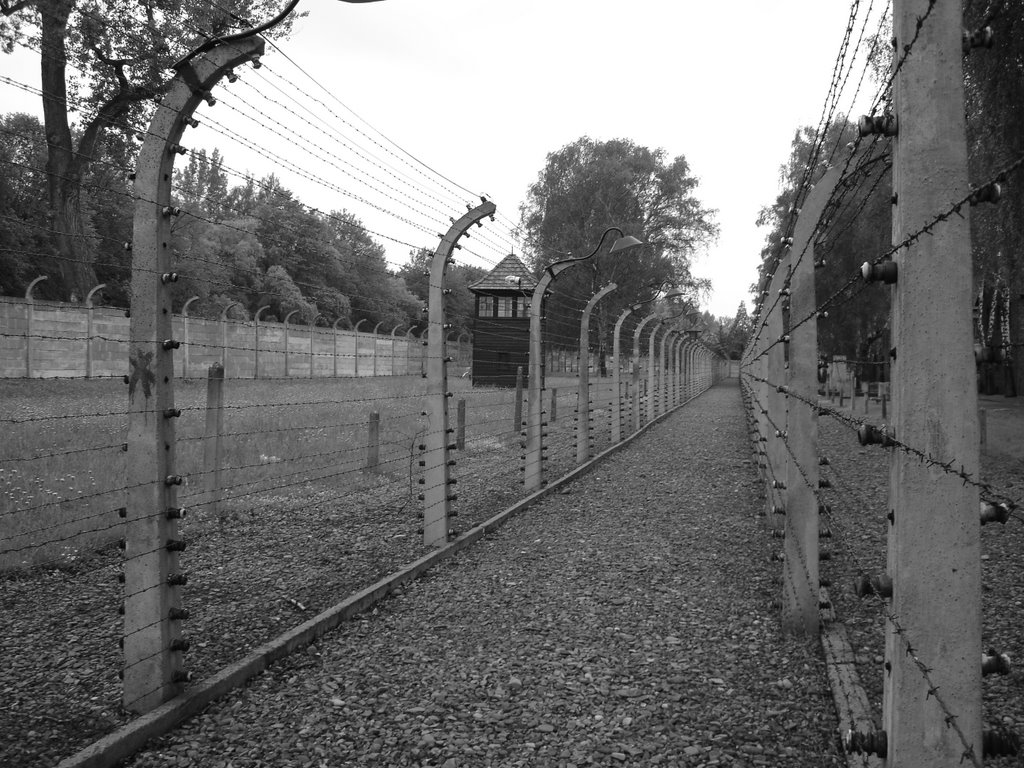
Auschwitz - the horror, the horror

WORK MAKES FREE.

You can feel the ghosts walk by.


The one who does not remember history is bound to live through it again. George Santayana

One of the most shocking rooms in the Auschwitz museum is the enormous room with 1950 kg of women’s hair intended for use in the German textile industry. Or the picture of a woman who used to weigh 75 kg who after time in the camps slimmed down to a skeletal 25 kg. Then there's the basement where cyclone b was first used to kill prisoners in September 1941. Or the “dark cell”- a cell used to induce death by suffocation. The starvation cell for those who helped others escape.

Three views on those times...

Fa che il frutto orrendo dell’ odio,
di chi hai visto qui le tracce,
Non dia nuovo seme,
Né Domani, né mai.

Primo Levi - Italian Jewish poet liberated.

I freed Germany from the stupid and degrading fallacies of conscience, morality... We will train young people before whom the world will tremble. I want young people capable of violence, imperious, relentless, cruel. Adolf Hitler

When you’re going through Hell, keep going. Winston Churchill (to motivate the Allies during the Blitz)

Auschwitz

The most important thing about Auschwitz, in all its horror, is the celebration of human resistance in the face of absolute evil.
Against this wall, 1000s of Poles who through clandestine mutiny helped Jewish prisoners escape, were shot by firing squads.
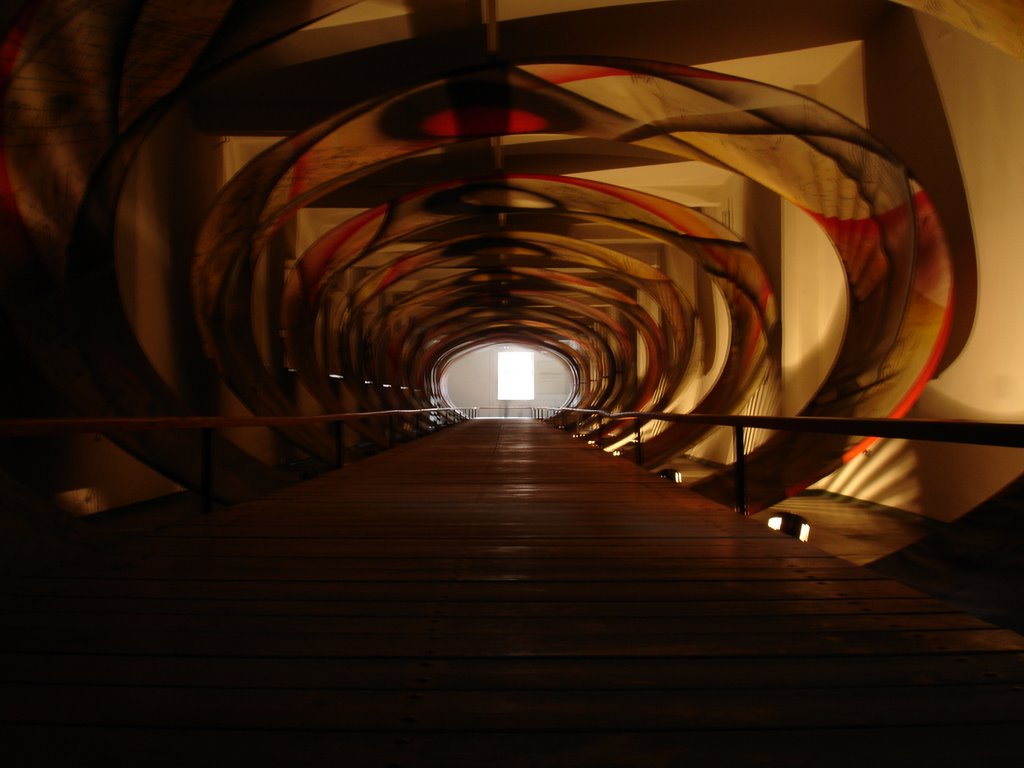
The light at the end of the tunnel.
The barracks.
The lives wasted.